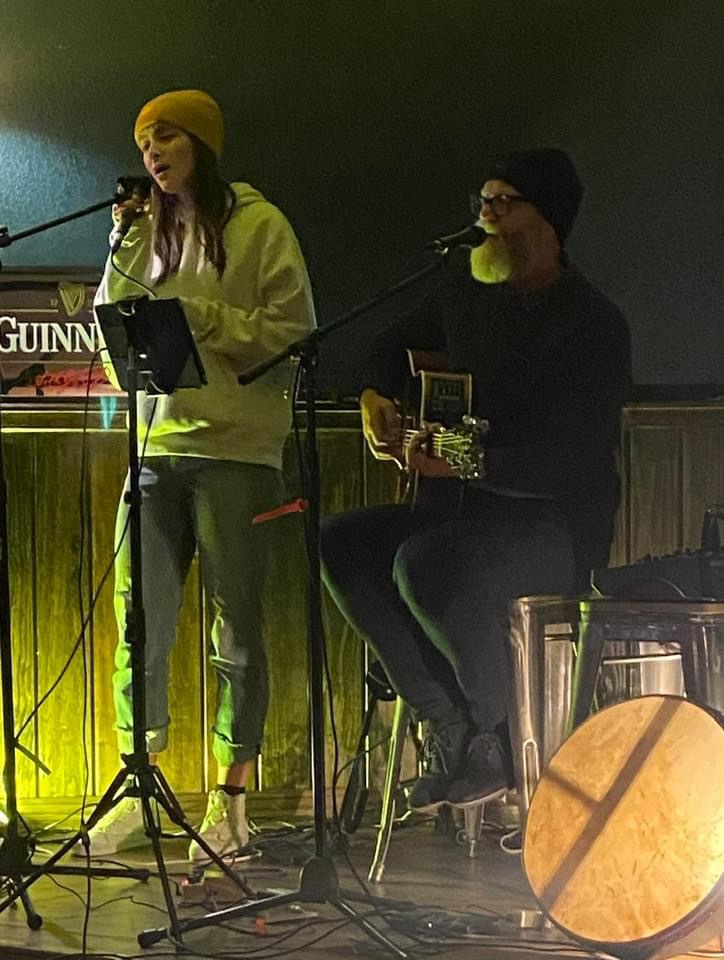
You can find me most Fridays at the Cottage Irish Pub on Broadway & Pershing in San Antonio. I take the stage at 6pm. If you’re lucky,Johnny Carrera may turn up. Johnny is a native of San Antonio. He is quite the skilled guitarist, singer and songwriter. He was previously with Manic Shuffle and West Kings Highway.
The U2 medley I play during a set is one of Chris’s favorites. I always played it when he’d turn up to a show, and now if I live stream, I’ll throw it out there if I see him on line. It’s not one of my favorites but he likes it and some others do too. It is an arpeggio version of a medley of With or Without You and Still haven’t found what I’m looking for, two very overplayed songs that I disliked when they first came out.
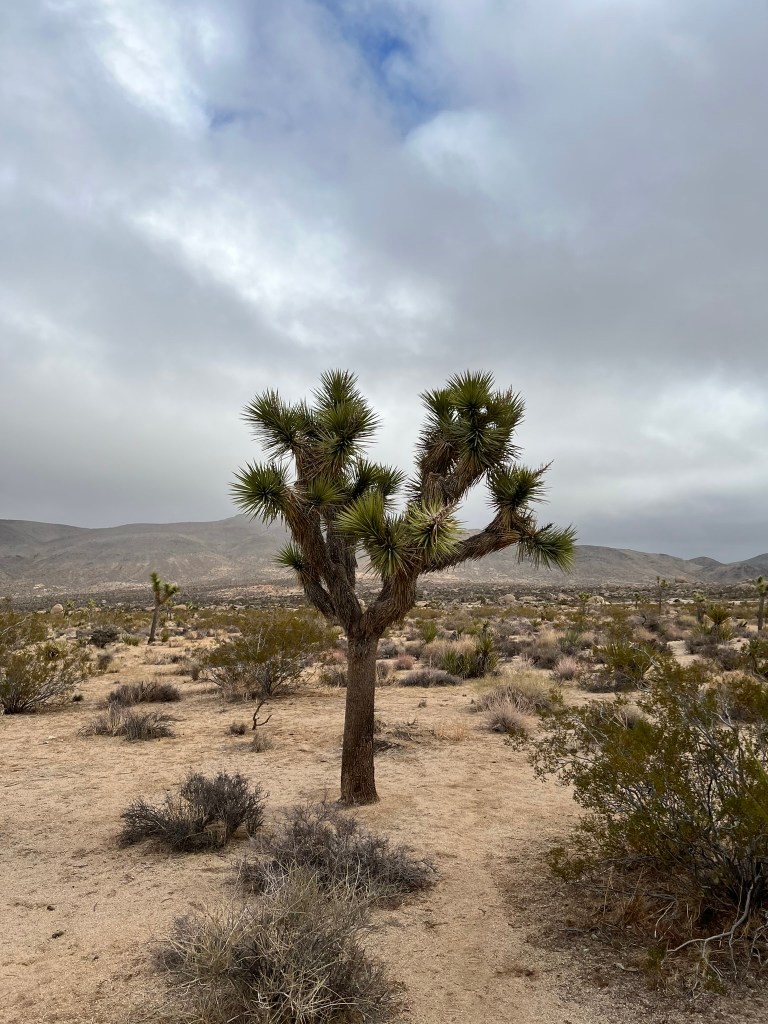
I remember hearing how Elvis Costello had stood in line for the release of the Joshua tree and wondered why. In my 17 year old mind, U2 lost their way when their music went west and completely went into the shitter when they swung east to Harlem. I still remember getting ready for work one Monday morning hearing Angel of Harlem, wondering what went so wrong. New years day, 1990, 2am Lansdowne, Mick Rossiter arrives from the show at the Point Depot, stating Bono made a comment that made him think they just broke up. “Good.”
1992, an ocean away from Windmill Lane Studios, a beat comes on the office radio. It’s a Manchester beat, but it gets followed by a rythm guitar, that should have been a piano in the true Manchester style. Interesting. “Is that Bono? What?” I rush out that Saturday to my favorite record store on 95th St. to get the tape. “I need to bring this tape back. It’s bad.” Zoo Station sounds off, like somebody previously had this tape, and it got it stuck in their tape player, but then, Even Better than the real thing tells me the tape is fine.
Rosemont Horizon. The tickets said Obstructed View but I was lucky to get them I was told. The view was obstructed. The Pixies were blocking my view with their giant speakers. But then, their speakers get completey removed revealing speakers in the ceiling alongside old cars. “Is that man in one of those cars?” Paul McGuinness walks right past me. Our seats are front row, directly left of stage. Full view of The Edge, and Larry and then the poser with his leather and fly glasses. “Give me a break.” But I can’t deny how my heart feels and how his presence impacts me.
They crank through the songs on their greatest album and then go back to the Joshua Tree. “If I leave now, I’ll beat traffic.” I watch Larry building up the beat on With or Without you and then carrying it home with a simple but strong beat, hitting the high-hat but then suppressing it milliseconds later.
During our weekly jam sessions a couple years later, Al plays Running to Stand still with his harmonica. Paul joins in the singing and then Bill, but that’s expected. They could do no wrong in his mind; he being the OG of fans, the first southside Dubliner to ever hear of them.
Achthung Baby is still their finest work, partly because it symbolizes a journey of not selling out, a self-ralization that this wasn’t the way to go, a story of risking fame and fortune because the friendship was too important, a story of death and ressurection, and yet, seven of the songs in my set come not from this masterpiece but from the Joshua Tree. Maybe Elvis Costello was right after all.
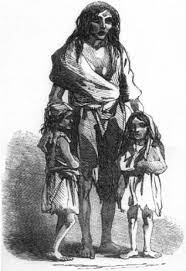
If you have ever visited Ireland, the odds are slim you escaped the island without hearing this song at least once (if not ten times). Written in 1979 by Pete St. John, it entered deep into the Irish consciousness of the late 70s, alongside J.R. and the Southfork crowd. Most Irish know the chorus by heart, but may not be familiar with the verses. The song tells the tragic story of Michael and Mary, a fictional couple with young children, trying to survive the great Irish famine of the mid-19th century. Weaving in history, St. John tells the story of Lord Trevelyan’s commission to feed the Irish with imported corn, rationed corn, that could not overcome the wave of hunger. Many times the corn stores were raided by people trying to survive. In the opening verse of the song, we already know that Michael has been caught trying to steal corn. The penalty if caught in this case, is banishment to the great southern penal colony of Australia.
By a lonely prison wall, I heard a young girl calling, “Michael, they are taking you away. For you stole Trevelyan’s corn, so the young would see the morn. Now a prison ship lies waiting in the bay.”
The Great Famine would see one million starve and one million leave the island. I’m convinced that people who carry Irish blood, carry with it the memory of that trauma, and their way of grieving it is to find beauty in such horror through songs like this. Hibernians (what the Roman’s called us) will joke about just anything, but there is one thing I have noticed that seems off limits; An Gora Mor.
Through taking classes at the Old Town School of folk in Chicago in 1993, I learned finger picking techniques. The school is famous for teaching different arrangements of them. I took that training and applied it to this song. My mother had bought me a song book, and this was the first one I picked from it. I sang it to the kids when they were young. Now, my daughter Finn, a woman (who currently works at my local pub, the Cottage) will join me on stage to sing it; two surviving seeds from the Connaught soil hardest hit. It’s tempting for me to just plow through the song out of boredom, because it’s my most played song. This year marks 30 years of playing it, but the advantage of playing it in south Texas every week is that someone is walking into the pub and coming across the gem for the first time.